Real hardware. Real cabling. Real outages.
Not Packet Tracer.
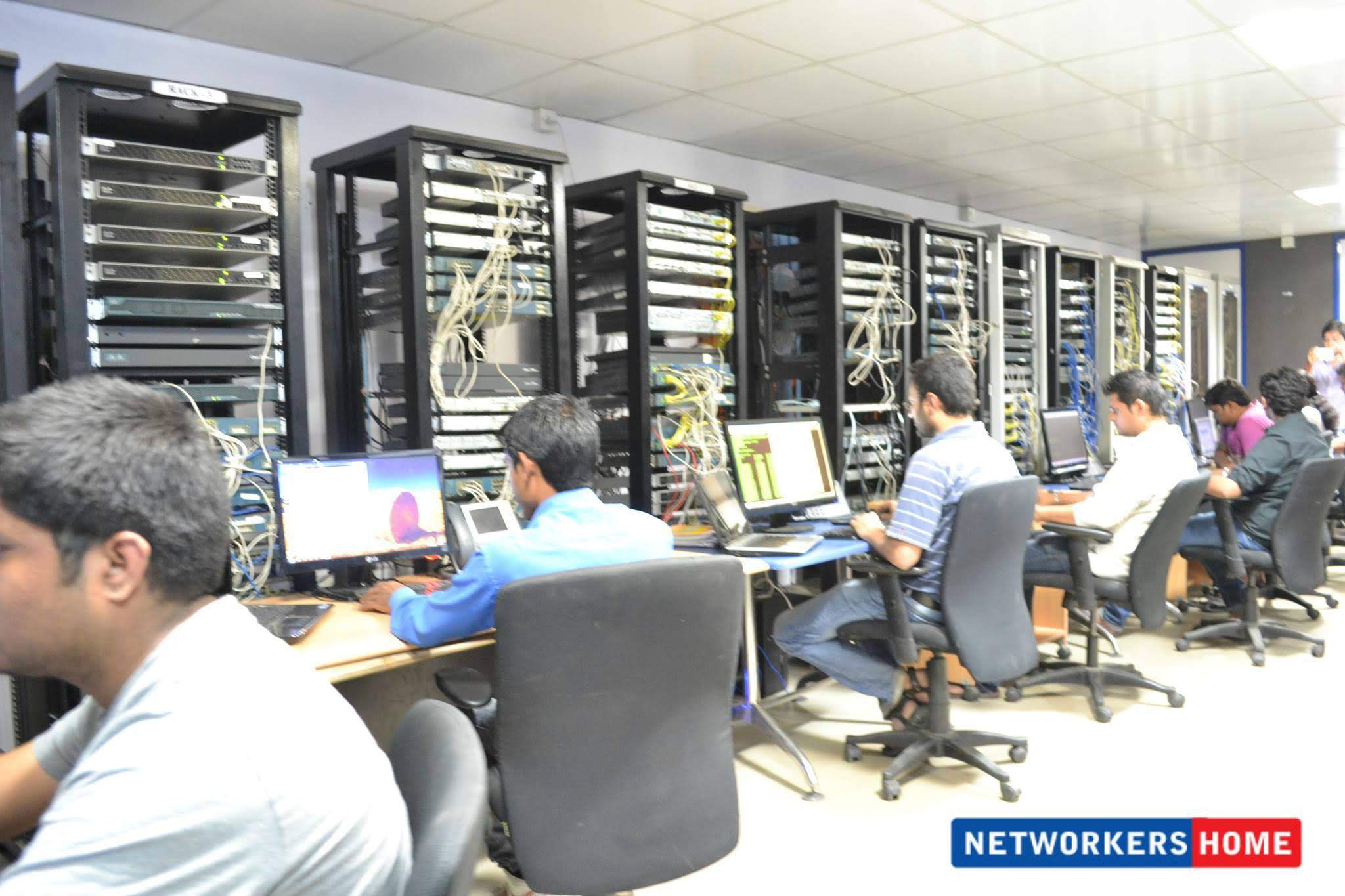
Most Indian networking institutes teach with simulators. We teach with the hardware Cisco, Palo Alto, Fortinet, and Checkpoint actually ship. Multi-rack lab. 24×7 access for enrolled students. The same enterprise gear you'll see on day one of your job.
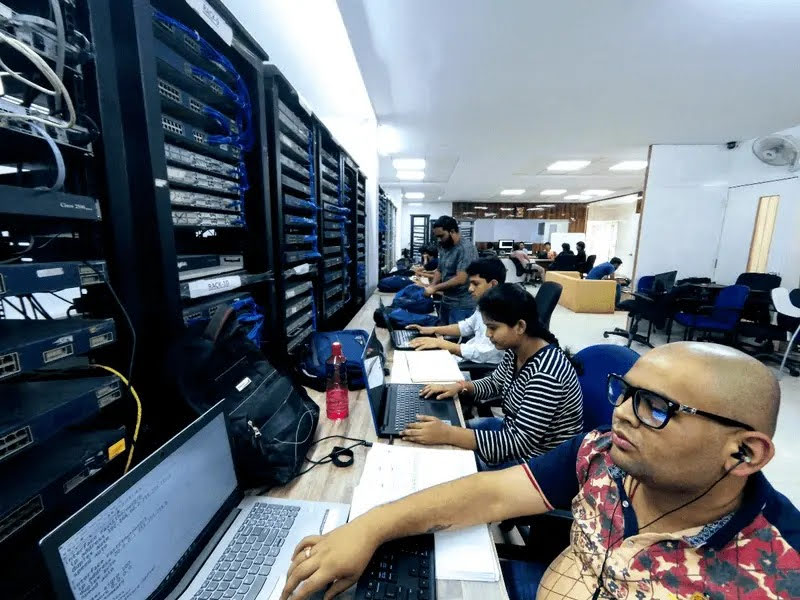
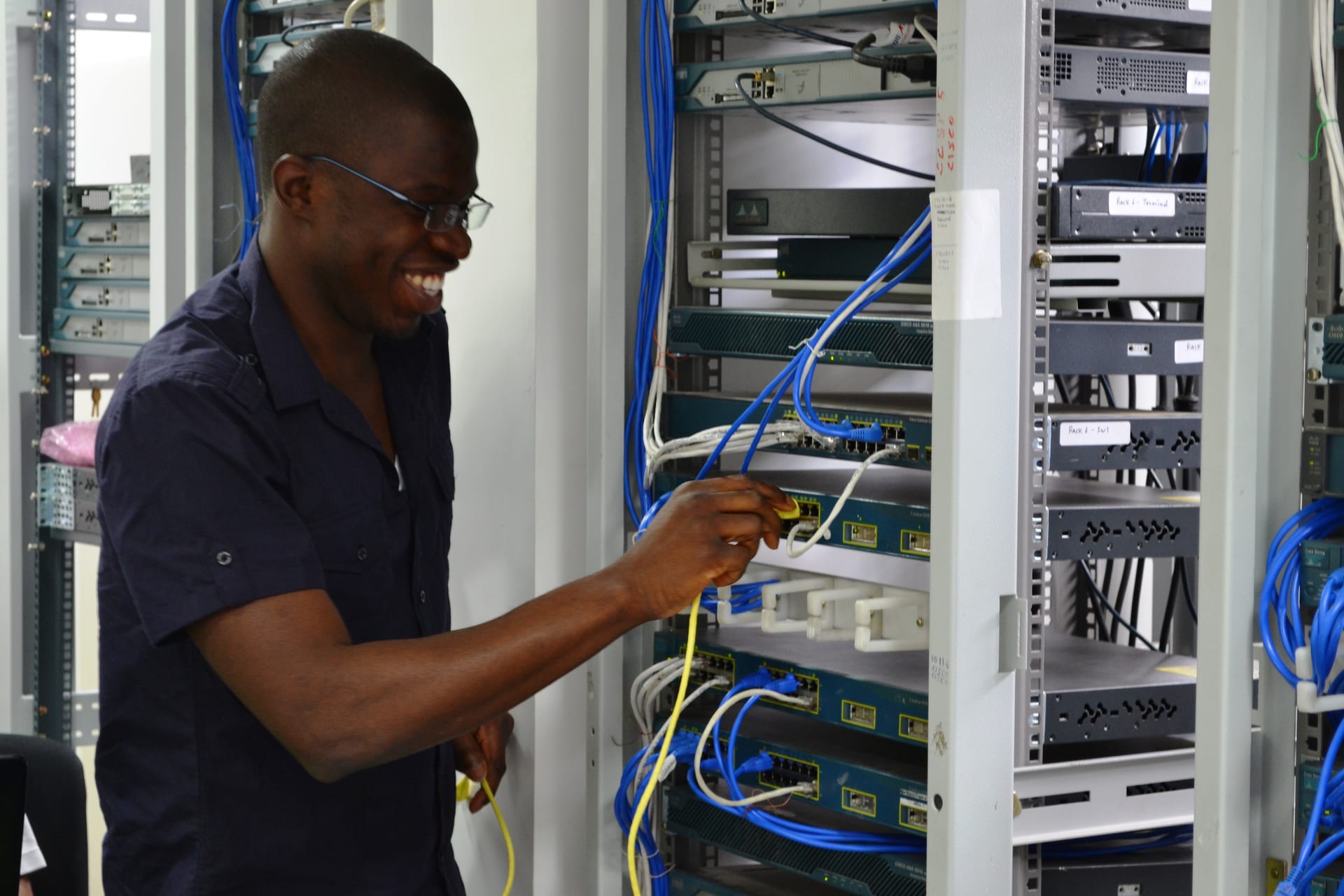
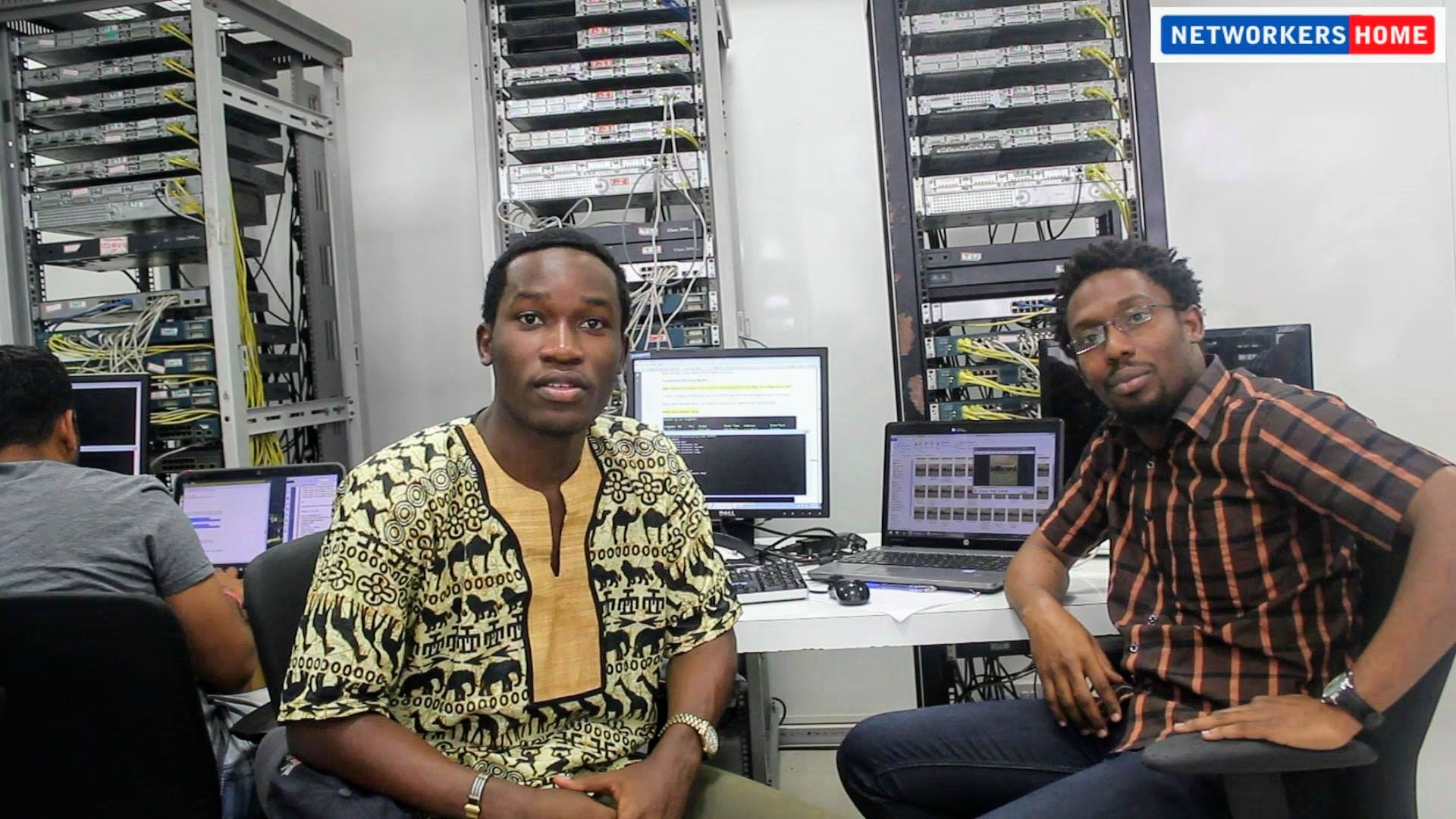
Real Cisco Rack Lab
Multi-rack production-grade Cisco hardware. Catalyst switches, ISR routers, ASA/Firepower firewalls. 24×7 student access — log in at midnight before your CCNA exam, the rack is yours.
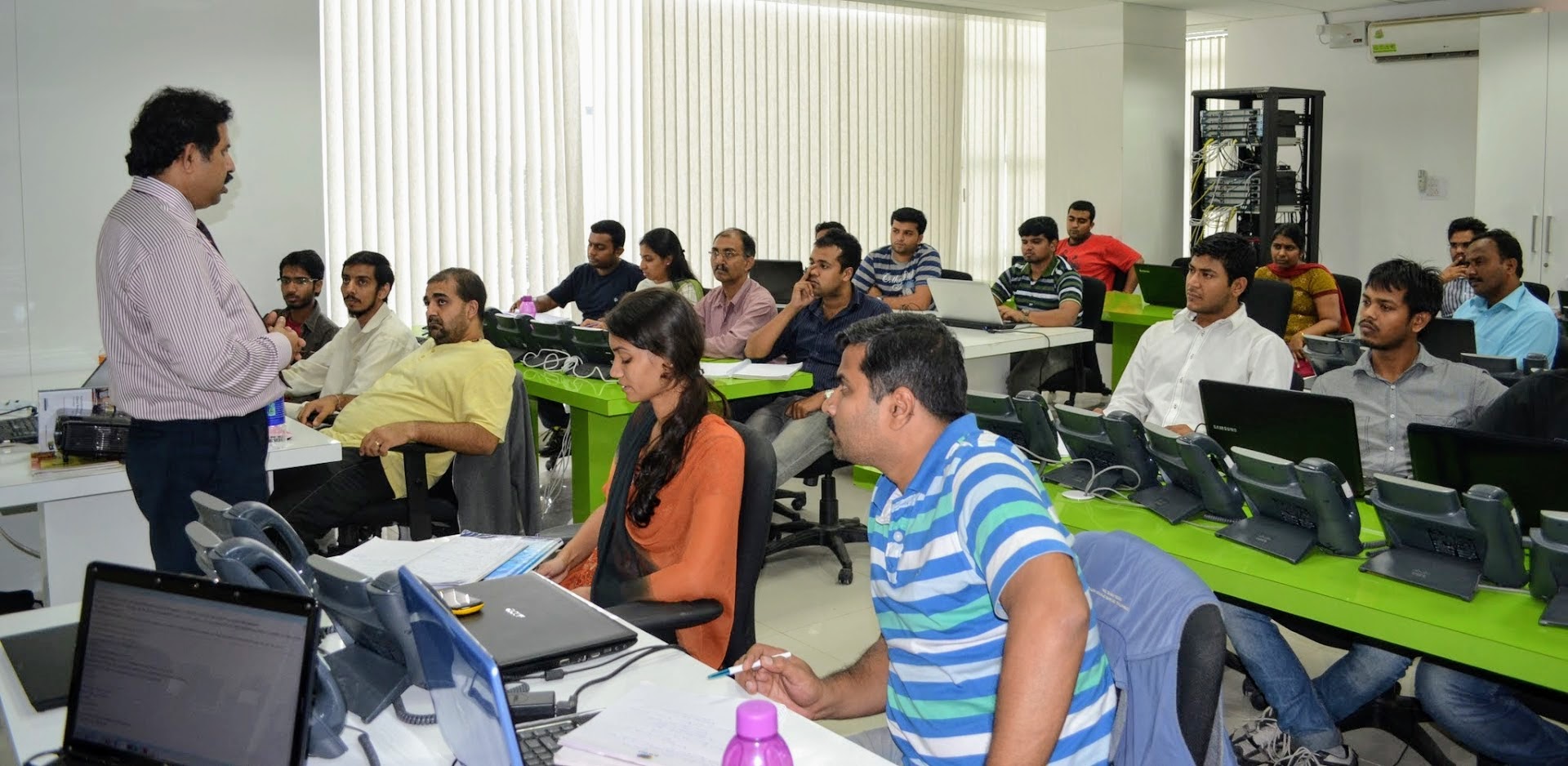
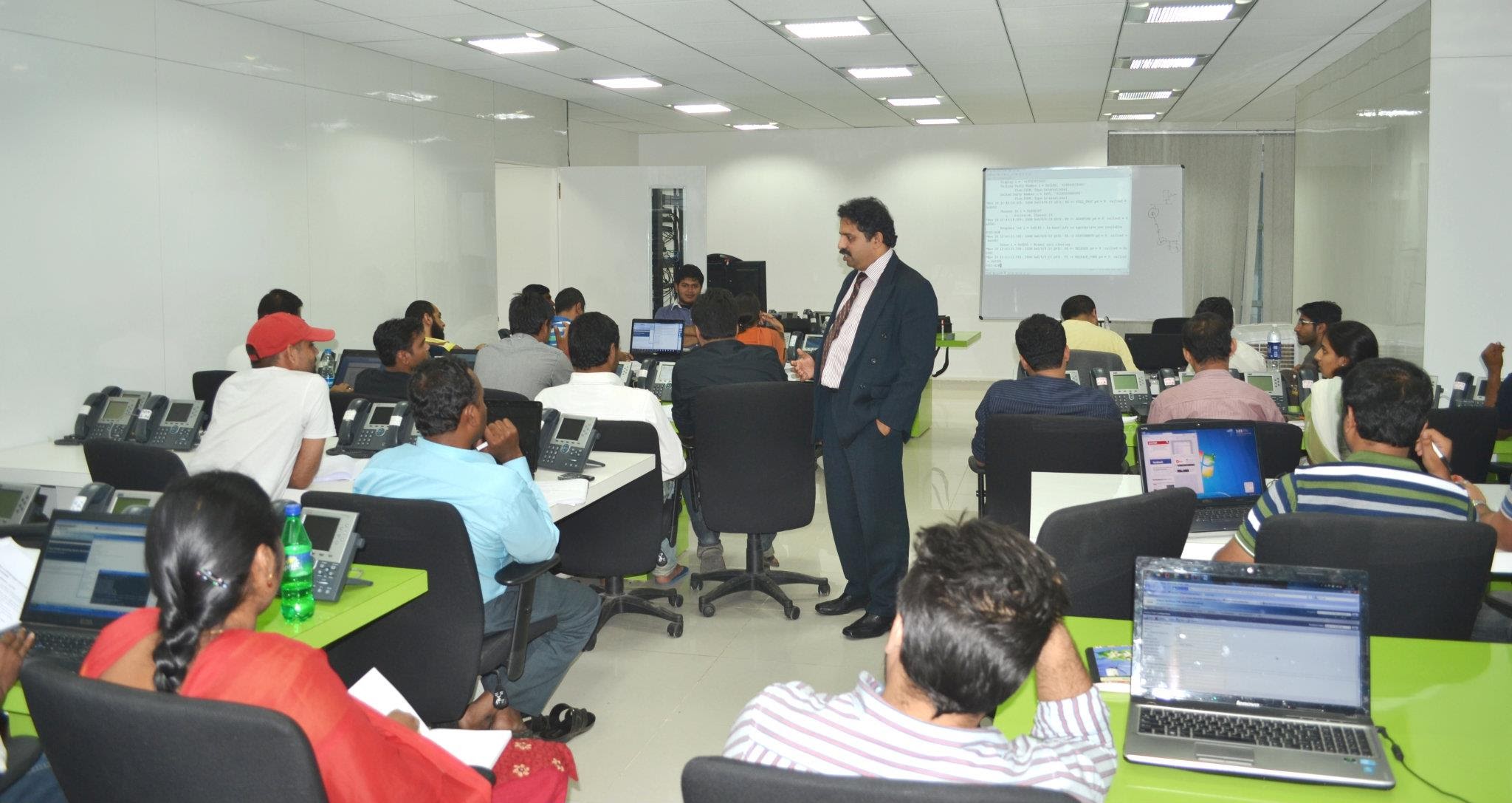
Classroom Experience
What an actual class looks like — Vikas Swami (Dual CCIE #22239) teaching live, students working hands-on, real hardware visible behind every seat. No stock photos.

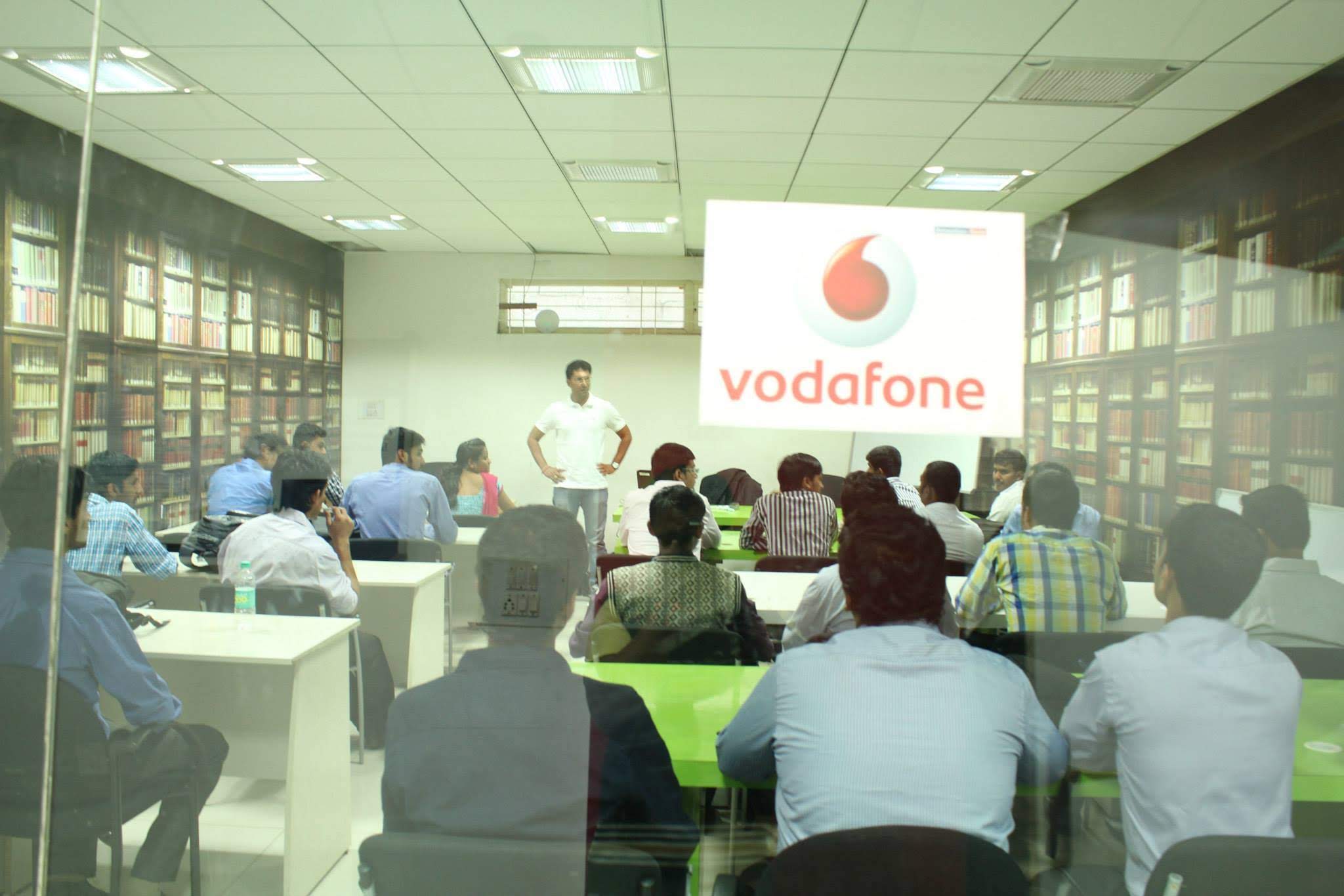
Awards & Recognition
Best CCIE Training Institute in India 2012 — award presented by Dr Shashi Tharoor MP. Corporate training contracts including Vodafone India team in 2014.
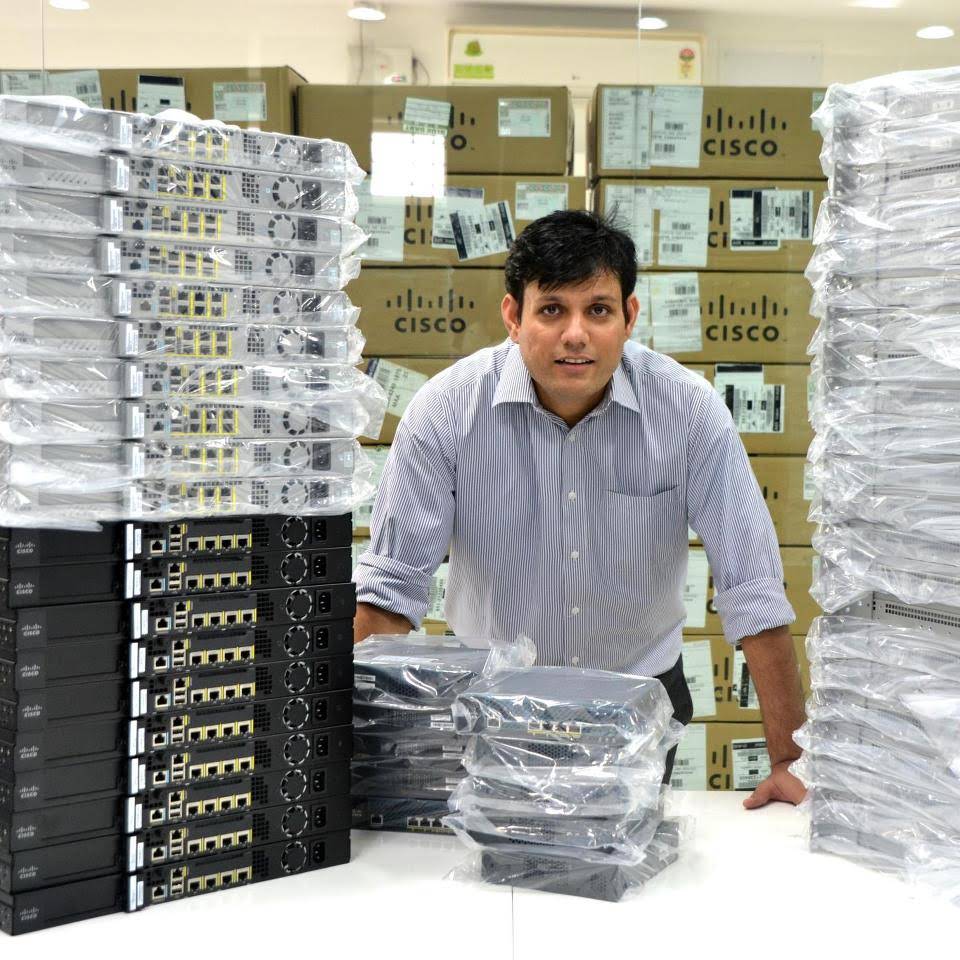
Glimpses inside Networkers Home, HSR Layout Sector 6
Why "real hardware" matters more than ever in 2026
When CCNA candidates from simulator-only programs sit for their first networking job interview, they fail at the same point: physical-layer troubleshooting. Cabling diagnostics, power-cycle behavior, blinking-LED interpretation, console-cable workflows — these are skills that cannot be learned on a screen.
Networkers Home alumni walk into Cisco India, Aryaka, Bagmane Tech Park, and Embassy Tech Square offices already familiar with the equipment they'll be touching. Hiring managers tell us this is the single biggest differentiator they observe.
Our lab also runs multi-vendor firewall corners — Palo Alto PA-Series, Fortinet FortiGate, Checkpoint, Cisco ASA/FTD all live concurrently. Students rotate through real configurations on each. Most institutes use only one vendor's simulator (or worse: vendor-supplied training-mode VMs with feature limitations).
The lab is open 24×7 for enrolled students. The week before a CCNA / CCNP / PCNSE exam, students often work past midnight on the racks. We've never had a student fail an exam saying "I didn't have enough lab time."